Leadership, governance & constitutional reform · 21 September 2026
Why Zambia Needs a Binding National Vision Before Extending Presidential Terms
Extending presidential terms should not be Zambia's first priority. The country must first establish a binding national vision that survives elections, guides every government and protects the national interest.
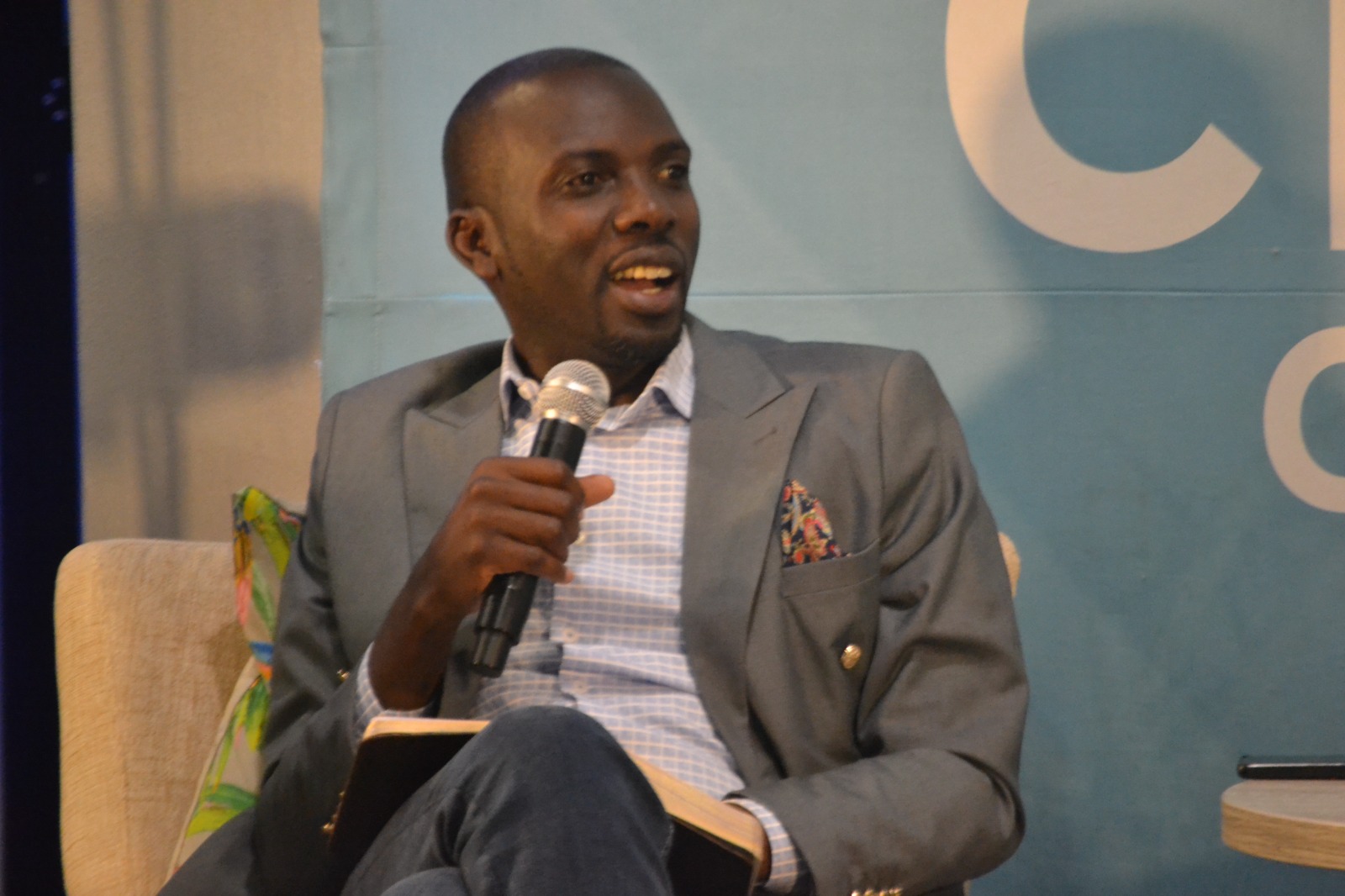
Kelvin Namwanza
African Leadership & National Transformation Advisor
Over the past few months, several developments in Zambian politics have caught my attention. One of them is the growing call to increase the length of the presidential term. This debate raises a larger question about the relationship between democracy, political continuity and national development.
I have long held the view that democracy in its current form does not always serve African countries well. Too often, political systems produce short-term electoral thinking, policy reversals and an unhealthy focus on personalities rather than institutions. This concern should not be used to weaken accountability or concentrate power. It should compel us to strengthen the foundations on which democracy and national development rest.
For a country seeking genuine progress, increasing the presidential term should not be the first priority. It may be considered only after certain fundamentals have changed and credible safeguards have been established. Otherwise, a longer term can extend political power without improving the quality of governance or the lives of citizens.
One fundamental change that Zambia urgently needs is a binding national vision. The country must first agree on the nation it intends to build and legally protect that vision so that it guides every government, regardless of which political party is in power. This should be the priority. Without such a foundation, changing presidential terms risks serving the interests of those close to the ruling party rather than the long-term interests of the country.
This is not an argument against constitutional reform. Constitutions should be reviewed when experience reveals genuine weaknesses. However, constitutional changes affecting the length of time leaders may remain in office demand exceptional caution. Such changes alter the balance of power between citizens and those who govern them. They should never be driven by the convenience of an incumbent administration or by the ambitions of political elites.
The real question is what Zambia is building
A country does not develop simply because one president remains in office for a longer period. It develops when successive governments pursue a shared national purpose, strengthen institutions and remain accountable for measurable results. Zambia therefore needs to answer a more important question than how long a president should serve: What national outcomes must every president be required to advance?
Zambia already has national development plans and has articulated Vision 2030. Yet a plan or policy document can be weakened, rebranded, selectively implemented or abandoned when political leadership changes. The country needs a national vision with stronger legal and institutional protection. Its core commitments should survive elections and provide a common framework within which different political parties may pursue their policies.
Such a vision should define national priorities in education, healthcare, food security, energy, industrialisation, infrastructure, institutional capability, youth development and the responsible management of natural resources. It should include measurable targets, clear reporting duties and consequences for persistent failure. Elections would then become contests over the best way to achieve agreed national goals rather than occasions to restart the country every five years.
Why presidential term limits matter
Presidential term limits are not an administrative inconvenience. They are a constitutional safeguard against the concentration of power. They encourage leadership renewal, protect political competition and remind every officeholder that public authority is temporary. Zambia's constitutional order currently provides five-year presidential terms and limits the number of times a person may hold the office. Any proposal to change that arrangement must meet a very high test of public necessity.
Supporters of longer terms may argue that transformation requires continuity. Continuity does matter, especially for infrastructure, institutional reform and long-term investment. But it should be secured through durable institutions, enforceable national plans and a capable public service, not through the continued presence of one individual. If national progress depends on a particular president remaining in office, then the state has not built adequate institutions.
A strong system allows a good policy to continue after its initiator leaves office. It also enables citizens to remove ineffective leaders without destroying the national development programme. This is the form of continuity Zambia should seek.
The danger of reversing the order
Extending presidential terms before establishing a binding national vision reverses the proper order of reform. It gives political leaders more time before defining the results for which that additional time would be required. It expands tenure without first strengthening accountability.
In such circumstances, the immediate beneficiaries are likely to be those whose positions, contracts and influence depend on proximity to power. The national interest can easily become confused with the interests of the ruling party. Public institutions may then feel pressure to protect political continuity rather than constitutional democracy.
Zambia must avoid a system in which every ruling party treats the Constitution as an instrument for extending its political advantage. Constitutional rules must restrain all leaders equally. A reform that appears convenient when one's preferred party is in government may become dangerous when political power changes hands.
What a legislated national vision should contain
A legislated national vision should not be a ruling-party manifesto written into law. It should emerge from broad national consultation involving citizens, traditional leaders, churches, civil society, business, labour, young people, persons with disabilities, academia and political parties. Parliament should adopt it through a process that commands support beyond a simple governing-party majority.
The law should define a small number of long-term outcomes supported by measurable milestones. Every administration should be required to align its medium-term development plan and annual budget with those outcomes. An independent institution should publish regular progress reports using verifiable data. Parliament should debate those reports, and citizens should be able to see where the country is advancing and where it is falling behind.
The vision should also include a transparent review mechanism. Zambia will face new technologies, economic shocks and changing regional conditions. The national vision must therefore be stable in purpose but adaptable in method. Any major amendment should require extensive public consultation and broad parliamentary agreement.
Leadership must build institutions that outlive leaders
The greatest test of leadership is not how long a leader remains in office, but whether the institutions strengthened under that leader continue to serve the people afterwards. A president committed to Zambia's future should seek to leave behind capable public institutions, credible oversight bodies, a professional civil service and a national plan that the next administration cannot casually discard.
This approach also changes the character of politics. Political parties would still differ on taxation, economic policy, social programmes and methods of delivery. However, they would compete within a shared commitment to Zambia's long-term direction. Citizens could judge each government against agreed national outcomes rather than campaign promises alone.
The national interest must come first
Before Zambia considers changing presidential term limits, it should legislate a national vision that is owned by its citizens and binding on successive governments. The country must first agree on where it is going, how progress will be measured and how leaders will be held accountable.
Once that foundation exists, any constitutional discussion can take place on clearer principles and with stronger safeguards. Even then, the burden of proof must remain with those proposing to extend political tenure. They must show that the change is necessary for the nation, not merely useful to the government of the day.
Zambia's future should never depend on one leader, one administration or one political party. It should rest on a national vision strong enough to guide leaders, institutions capable enough to implement it and citizens empowered enough to demand results. National development must determine political arrangements. Political arrangements must never be allowed to redefine the national interest for the benefit of those already in power.