Founding essay · National transformation
Beyond Potential: Why Zambia Must Become a Productive Nation
Natural resources create possibility. Productive people, capable institutions and disciplined implementation turn possibility into prosperity.
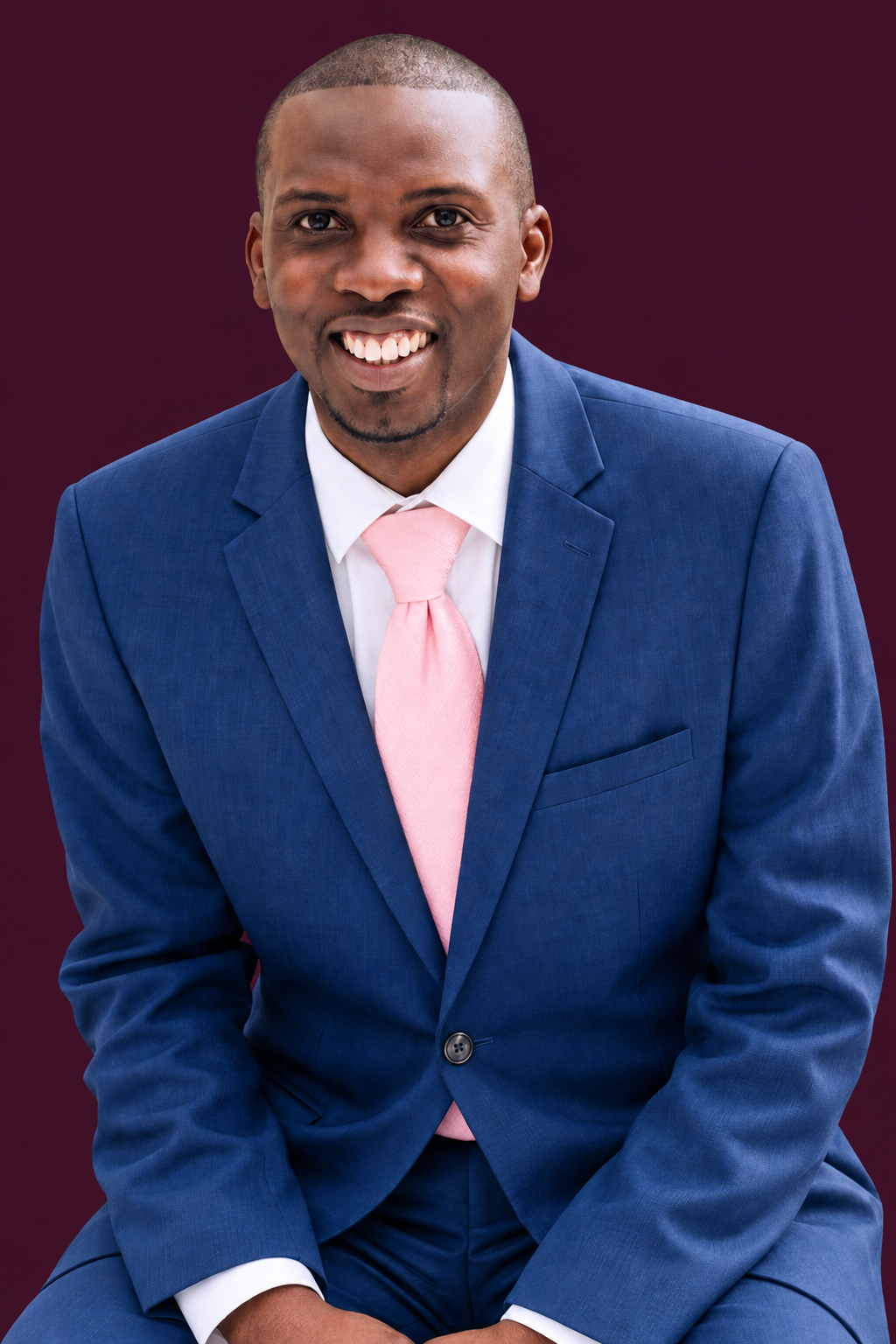
Kelvin Namwanza
African Leadership & National Transformation Advisor
Zambia does not lack potential. We have land, water, minerals, a youthful population and a strategic position at the heart of Southern Africa. Yet potential is only a promise. It does not automatically become prosperity.
A nation progresses when it develops the capacity to transform what it has into value that improves the lives of its people. Copper beneath the ground is potential. A competitive mining value chain, skilled jobs, local manufacturing and wisely invested revenues are productivity. Fertile land is potential. Reliable food production, agro-processing, storage, distribution and exports are productivity. A young population is potential. Healthy, skilled, disciplined and innovative citizens are productivity.
We must move from consumption to creation
Too much of our national conversation focuses on how wealth should be distributed before we have asked how enough wealth will be created. Distribution matters, especially where poverty and inequality persist. But sustainable distribution depends upon sustained production.
Our economy must reward people who solve problems, build enterprises, develop useful skills and create employment. Education must do more than prepare young people to look for vacancies. It must cultivate critical thinking, technical competence, entrepreneurship and the ability to create value. Government must create an environment in which productive people can flourish through consistent policy, dependable infrastructure, fair regulation and access to opportunity.
“The future will not be secured by what Zambia possesses, but by what Zambians learn to produce with what we possess.”
Productivity is also a mindset
National development is not only an economic or technical project. It is also a cultural project. The beliefs we repeat eventually shape the institutions we build. If we celebrate consumption more than creation, position more than service, connections more than competence and quick rewards more than patient work, our policies will continually struggle against our culture.
We must recover dignity in work. Public office should be understood as stewardship, not personal entitlement. Business should be seen as a means of solving human problems, not merely extracting money. Citizenship should involve responsibility as well as rights. Excellence must cease to be exceptional and become a national habit.
Faith must strengthen responsibility
Zambia’s Christian identity should produce honesty, compassion, responsible leadership and faithful stewardship. Prayer is indispensable, but prayer must never become a substitute for planning, learning, working and holding leaders accountable. Faith should awaken responsibility rather than excuse passivity.
We must challenge interpretations of prosperity that emphasise sudden personal enrichment while neglecting diligence, competence, saving, investment and service. A faith that builds a nation teaches people to love their neighbours, honour work, resist corruption, protect the vulnerable and use their gifts for the common good.
Institutions turn vision into results
Inspiring speeches cannot compensate for weak implementation. Zambia needs institutions that preserve national priorities beyond personalities and political terms. Plans must be connected to budgets, responsibilities, timelines and public measures of progress. Competent professionals should be empowered to deliver, and citizens should be able to see clearly what has been promised, funded and achieved.
This is not an argument for government alone. Transformation requires a compact between the state, business, churches, traditional leadership, universities, civil society and citizens. Each has a different responsibility, but all must face the same national direction.
The Zambia we must build
We must build a Zambia in which a child’s future is not determined by province, tribe, family connections or economic background. A Zambia that processes more of what it mines and grows. A Zambia whose public institutions are trusted because they are competent, transparent and fair. A Zambia in which young people see a future worth building at home.
Our national story must move beyond repeated declarations of potential. The next chapter must be about productive citizens, accountable leadership and institutions that work. Zambia can become prosperous, but prosperity will not arrive by accident. It must be deliberately built—and every one of us has a part in building it.
Loading comments…